
AI Opportunity Assessment
Know where AI can create value before you invest
A structured assessment of your goals, workflows and constraints, resulting in prioritised AI opportunities and a practical sequence for action. Start with a free Initial AI Opportunity Review to decide whether the assessment is the right next step.
Every engagement is scoped around the business. Company size alone does not determine fit.
In short
Inefficient work can weaken service quality, consume the owner’s attention and prevent staff from working at their full capacity. The assessment finds where machines can take on suitable repetitive work so people can focus on the work that benefits from human strengths.
- Start with the business result and the root cause.
- Compare opportunities before choosing a solution.
- Keep assumptions visible and important decisions human.
Why it matters
Remove the work that holds people and service back
Repetitive administrative work is often demanding for people and inefficient for the business. A well-chosen system can perform suitable machine work consistently while people concentrate on judgement, relationships and quality.
Protect service quality
Reduce the operational friction that causes delays, missed details and an inconsistent experience for customers.
Return attention to high-value work
Give owners and leaders more capacity for the decisions, relationships and actions that can produce the strongest return.
Help people use their strengths
Move suitable repetitive work to machines so staff can apply judgement, expertise, empathy and initiative.
The decision
Turn a crowded list of ideas into a clear order of priority
A requested chatbot, agent or automation may be useful. The assessment first checks the underlying business problem, the result that matters and the conditions required for success.
- 01
Where is the real constraint?
Trace the symptoms back to the workflow, handoff or decision that is limiting the result.
- 02
Where could AI create value?
Compare opportunities using business impact, feasibility, effort, risk and the evidence available.
- 03
What should happen first?
Sequence the strongest opportunities so the first investment supports the wider business direction.
The recommendation
Choose the smallest credible path to the result
The outcome is an investment decision, not a predetermined technology choice.
Improve the process
Remove unnecessary steps, clarify ownership or improve the information available to the team.
Adopt an existing tool
Use capability already available in your systems or select suitable off-the-shelf software.
Connect the workflow
Integrate systems and automate predictable handoffs while keeping approval where judgement matters.
Build a bounded AI capability
Design a controlled AI-assisted workflow when the opportunity genuinely requires interpretation or generation.
How it works
Evidence first. Human judgement throughout.
The exact scope depends on the business. A focused assessment may examine one workflow, while a broader engagement can involve several stakeholders and departments.
- 01
ScopeHuman
Agree the questions, workflows, people, evidence, timeline and final deliverables for the assessment.
- 02
DiscoverHuman
Review the business context with leadership and the people closest to the relevant work. The interview group varies with the scope.
- 03
Analyse
Establish the operational problem from interviews, workflows, documents, systems and available data, then estimate value and compare feasibility, effort, risk and readiness.
- 04
PrioritiseHuman
Review the findings with leadership and agree which opportunities belong in the final sequence.
- 05
Blueprint
Deliver the evidence, solution possibilities, ranked opportunities and a sequenced implementation roadmap.
What you receive
A comprehensive roadmap your company can act on
The roadmap records the findings, compares credible possibilities and explains what should happen next. It can include process changes, capabilities already available in your systems, off-the-shelf tools, integrations, automation and custom builds.
Business and workflow findings
A clear account of the constraints, root causes and dependencies found during discovery.
Prioritised opportunities
Opportunities ranked by impact, feasibility, effort, risk and readiness, with verified figures, client inputs and assumptions clearly separated.
Sequenced action plan
What to address first, what can wait and what needs further validation before implementation.
Comprehensive AI roadmap
Off-the-shelf tools, integrations, process changes and custom-build possibilities, with enough practical detail for a capable internal team to act independently.
The recommendations belong to your company. If you have the capability in house, the roadmap is intended to give your team a practical basis for deploying suitable tools and progressing the work independently.
When it is useful
Complexity shows up in the work, not only the headcount
An assessment becomes valuable when operational friction is material and leadership needs a sound basis for deciding where to invest.
Recurring work consumes capacity
Important work depends on manual triage, copying, chasing, checking or re-entering information.
Handoffs keep breaking down
Information moves between people and systems slowly, inconsistently or without clear ownership.
Growth is adding pressure
The team is hiring, demand is rising or key people have become bottlenecks for routine work.
There are too many possible starting points
Leadership can see several AI ideas but needs evidence and a shared order of priority.
Founder-led assessment
Alban conducts and reviews the work personally
You work directly with the person responsible for understanding the workflows, testing the reasoning and standing behind the final roadmap.

Conducted by Alban
Alban personally leads the discovery, stakeholder interviews and review of the business evidence.
Reviewed with judgement
AI can support research and analysis. Alban checks the findings, challenges assumptions and remains accountable for the recommendations.
Presented for decision
Alban walks leadership through the roadmap, the evidence behind the priorities and the choices that still require human judgement.
Scope and investment
A proposal shaped around the question
After the initial review, Alban defines the workflows to examine, the people involved, the evidence required, the timeline, the deliverables and the investment. You can decide with the complete scope in front of you.
FAQ
Questions.
Is there a minimum company size?
No. The relevant question is whether the business has a valuable operational problem, enough evidence to examine it and the ability to act on the findings. The scope can cover one critical workflow or several teams.
How much does an AI Opportunity Assessment cost?
Each assessment is scoped after an initial conversation. The investment depends on the number of workflows, stakeholders and departments involved, the complexity and risk, the evidence available and the depth of analysis required. The proposal sets out the scope, timeline, deliverables and investment before work begins.
Will you recommend AI for every problem?
No. The recommendation may be a process change, capability already present in an existing system, an off-the-shelf tool, an integration, conventional automation or a bounded AI-assisted workflow. The simplest credible path should win.
How do you estimate ROI?
The assessment first establishes the operational problem using interviews, workflow observation, documents, systems and available data. It then estimates value using relevant measures such as time, labour cost, revenue leakage, delays, service quality and capacity. Verified figures, client-supplied inputs and assumptions are identified separately.
Does the assessment include implementation?
Implementation is optional and scoped separately. The roadmap is designed so a capable internal team can deploy suitable tools or progress the recommendations independently. You can also work with another provider or ask Excelsior AI to help.
How are people involved?
The interview group varies with the scope, but includes leadership and the people closest to the relevant work. Alban reviews the source material and brings findings back for correction and prioritisation. AI can support research and analysis, while people supply context, challenge assumptions and approve consequential decisions.
What happens in the free Initial AI Opportunity Review?
It is a free 30-minute conversation about the outcome you want, the constraints you can already see and whether an assessment would be useful. You receive a verbal recommendation. If deeper investigation is warranted, Alban prepares a tailored proposal.
Photo credits
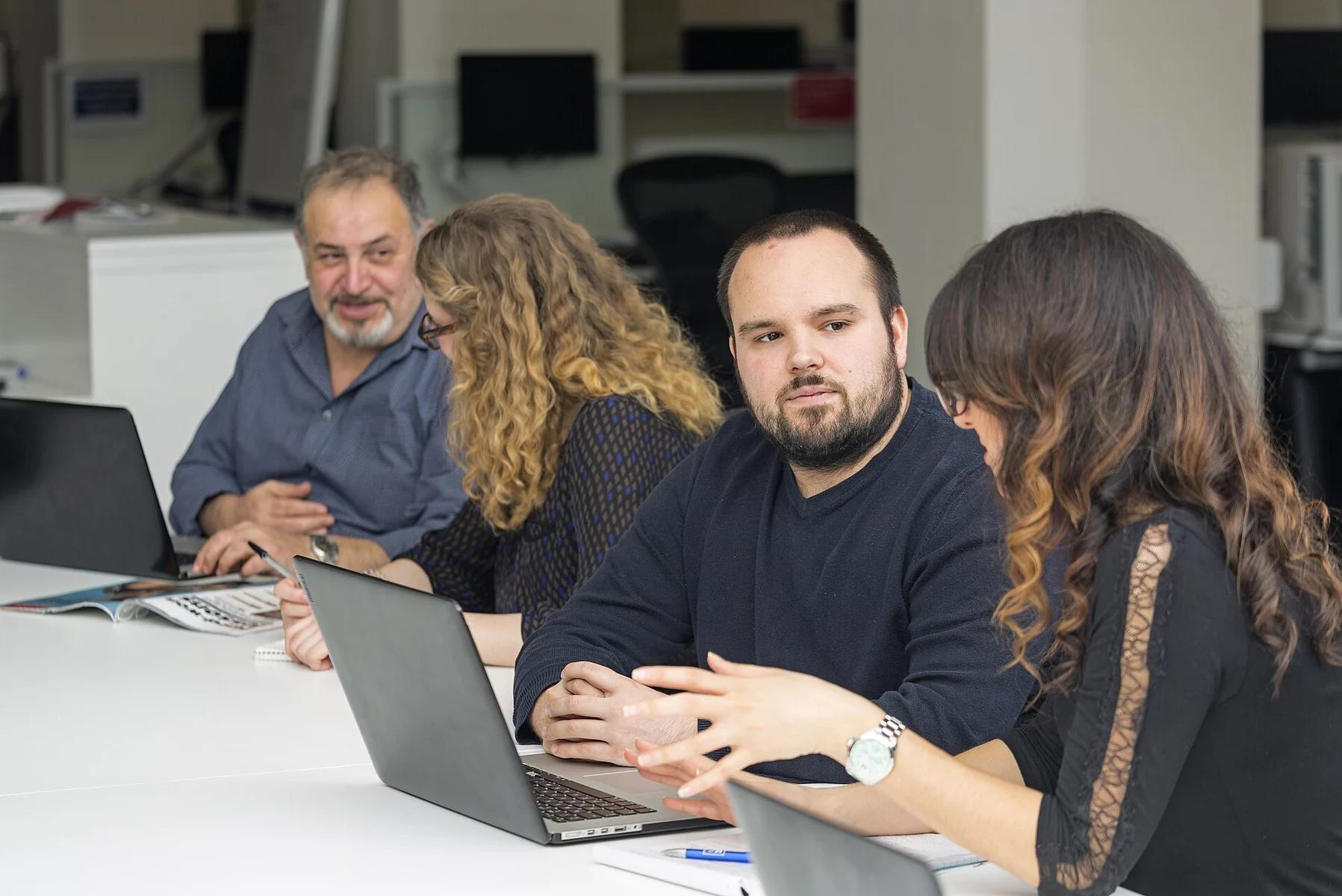
- Team discussion · Owen Cooban / Harland Quarrington · OGL v1.0
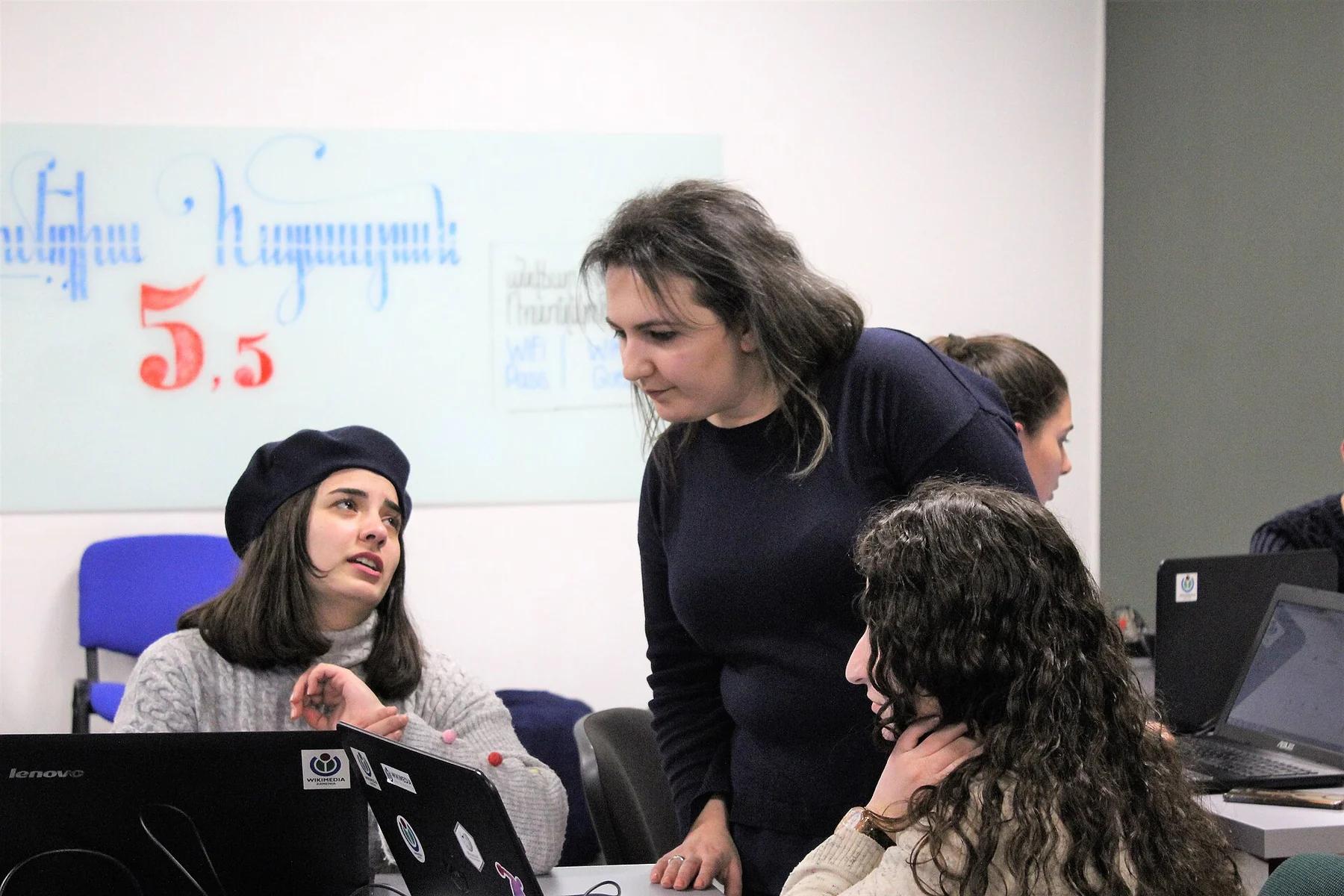
- Discovery workshop · Dato (WMAM) · CC BY-SA 4.0
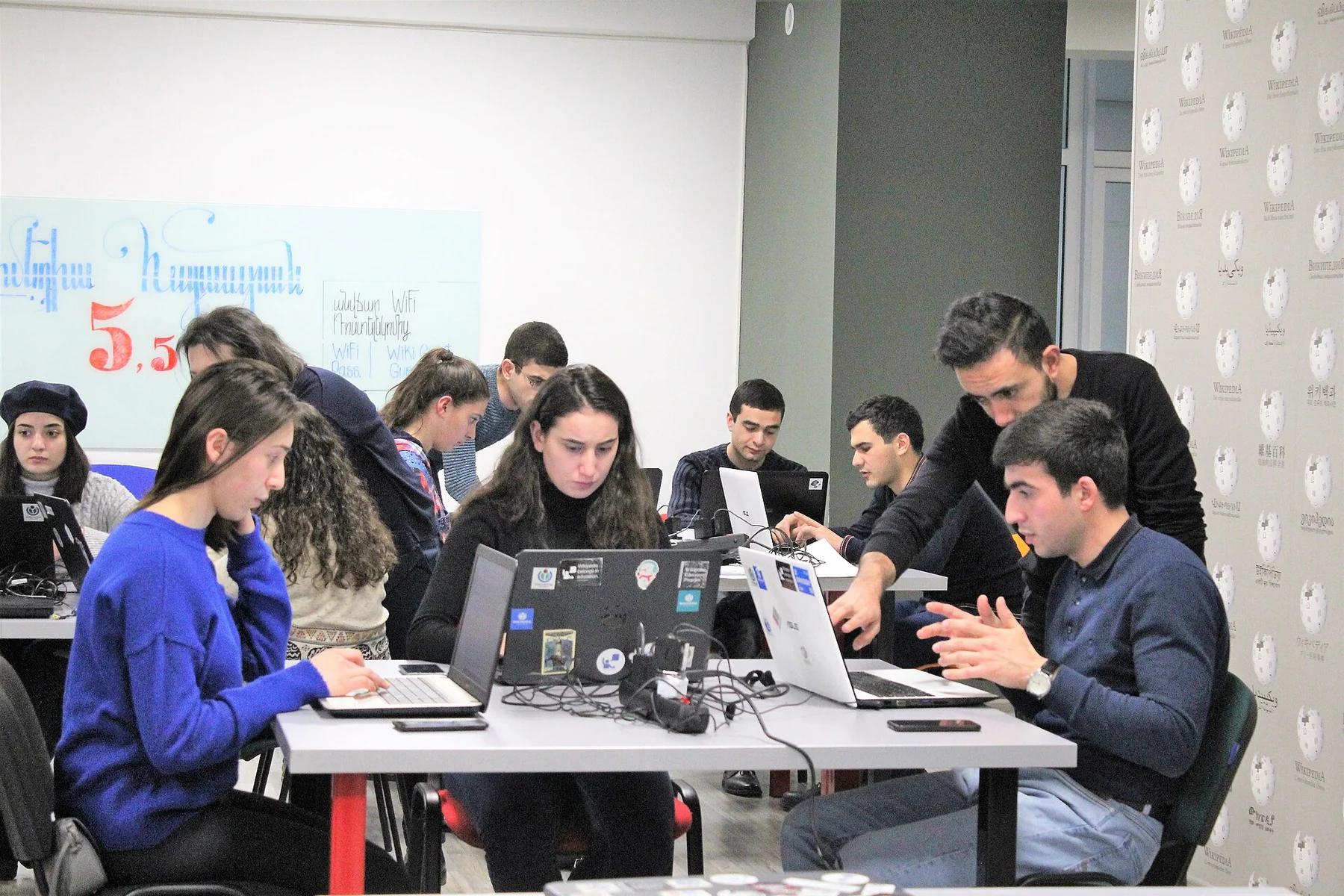
- Roadmap workshop · Dato (WMAM) · CC BY-SA 4.0
Decide where AI deserves investment
Thirty minutes with Alban. You leave with a clear next step.
Free 30-minute initial review. No commitment to paid work.